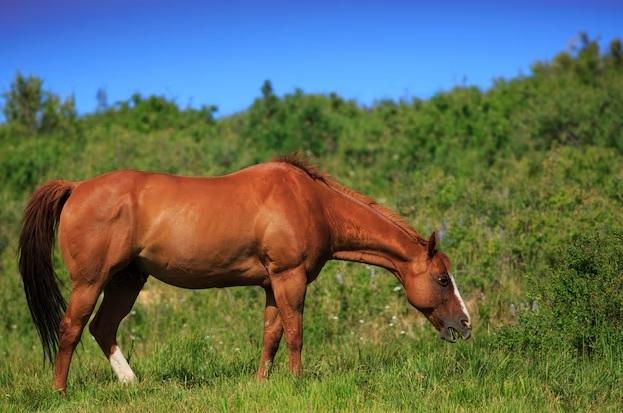
Gastric ulcers are common in horses and foals, especially those that are stabled. The term equine gastric ulcer syndrome is a broad term to describe a spectrum of inflammatory and disruptive pathophysiological changes in the mucosa that affect the mucous tissues in the terminal esophagus, non-glandular stomach (equine squamous gastric disease), glandular stomach (equine glandular gastric disease), and proximal duodenum.
Risk factors for the development of this syndrome in horses include participation in competitive disciplines, diets rich in concentrates (grains), intermittent feeding (bolus feeding), environmental stress (pasture versus confinement in stalls), stress due to travel or social interaction, and disease. The prevalence of Equine Gastric Ulcer Syndrome (EGUS) in racehorses in active training and competitions is estimated at at least 90%, while in competitive disciplines outside of racing, the prevalence ranges from 40% to 60%.
The prevalence of EGUS in newborn foals is estimated at 25% to 50%, and foals are at high risk of developing perforating peptic ulcers until they are a few weeks old, as their gastric mucosa is not fully developed at birth and they have continuous secretion of gastric acid. Although spontaneous healing of gastric ulcerative lesions has been observed, if training, competition, and maintenance of risk factors that trigger EGUS persist, it is unlikely that the lesions will heal without medical intervention.
Endoscopic examinations indicate that duodenal ulceration, perforation, or stenosis may occur, and it is not known whether these problems develop exclusively as a result of enteritis (duodenitis) or whether peptic factors, such as acid, may play a role. Once stenosis occurs, gastric and esophageal ulcers are usually severe, exacerbated by delayed gastric emptying. In these cases, omeprazole-based medications are commonly used; however, prolonged use prevents the protein from being metabolized in the stomach, and when this happens, it is metabolized in the intestine, causing metabolic acidosis, which can even lead to cramps.
Yes, an imbalance in the stomach pH of horses can undoubtedly cause colic. Horses produce hydrochloric acid in their stomachs continuously, unlike humans. When this environment becomes too acidic (very low pH) or when there is an accumulation of acid and gas due to poor diet, the risks of abdominal pain increase significantly. Another villain born in the stomach is colic, which originates from a pH imbalance.
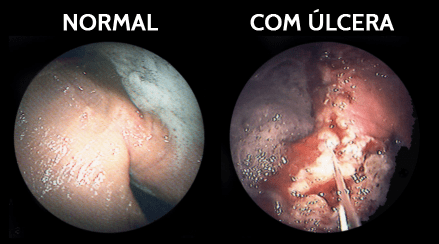
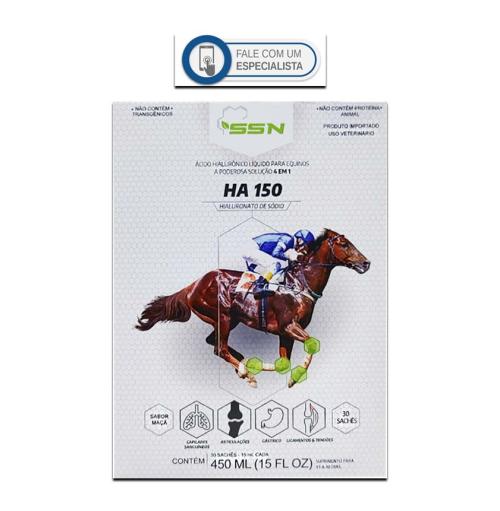
Farex brings directly from the USA HA 150, the powerful 4-in-1 solution that has come to revolutionize the equine market. HA150 significantly reduces the severity of gastric ulcers in active horses, it forms a protective barrier (viscous film) covering the gastric mucosa, it has a healing action (stimulates tissue repair, accelerating the healing of gastric ulcers).
HA150 has anti-inflammatory properties (helps restore the balance of the gastric mucosa). A study conducted by Dr. Nathan Slovis showed a significant improvement in lesions observed by gastroscopy, even while maintaining the animals in their training routines. HA 150 plays a protective role in the gastrointestinal tract, especially in the esophagus and stomach. It protects against acid reflux, helping to protect the gastroesophageal mucosa. The mucilaginous action of HA 150 adheres to the walls, creating a barrier that isolates the tissue from the acidity of gastric juice, also promoting healing and recovery, helping to relieve reflux symptoms, aiding in the recovery of damaged tissues in the esophagus, and regulating stomach pH.
With a healthier stomach functioning according to its nature, there is improved nutrient absorption, restoring health, strength, and energy to the equine athlete in a natural way.